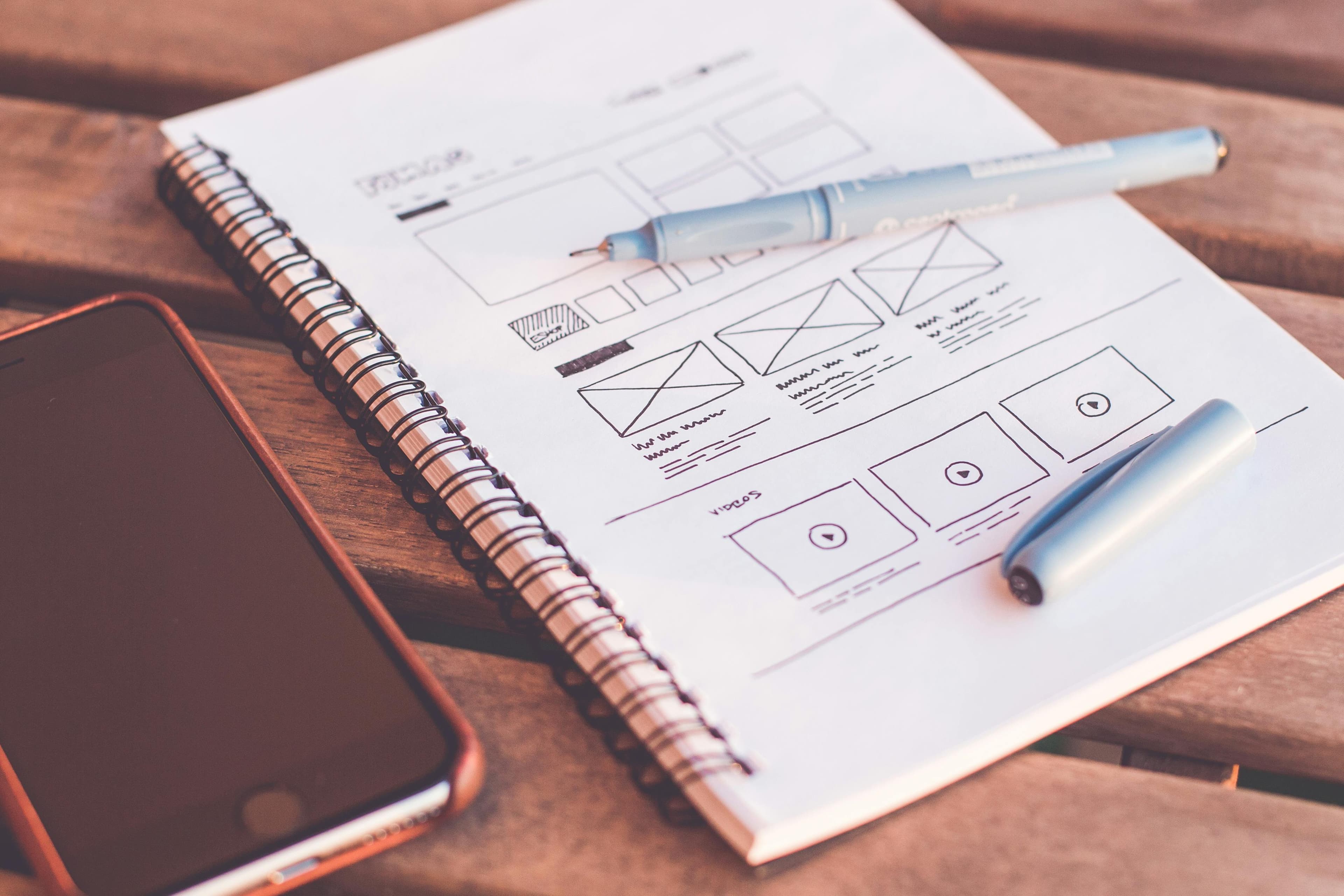
01.Beyond the Blank Canvas: AI as an Ideation Partner
Designers often spend disproportionate time generating low-fidelity variations of standard layouts: onboarding funnels, billing tables, and settings panels. Modern AI tooling in Figma and code editors compresses this exploratory phase into minutes.
Instead of starting from a blank artboard, designers can prompt models with user persona constraints and system requirements, producing five distinct structural layouts to evaluate immediately.
02.Designing for Uncertainty and System Confidence
The biggest paradigm shift in designing AI-assisted software is accounting for non-deterministic outputs. Traditional software provides predictable outputs for given inputs; AI systems provide probabilistic inferences.
Good UX communicates system confidence transparently. When model confidence is high, actions execute with quick-undo toasts. When confidence is borderline, the UI exposes selectable alternatives and explicit confirmation gates.
03.Adaptive UI: Context-Aware Dynamic Interfaces
The future of product design moves beyond static responsive breakpoints. Next-generation web apps evaluate user behavior, role permissions, and historical workflows to dynamically simplify complex interfaces, showing power users deep command bars and surfacing guided tours to novices.